

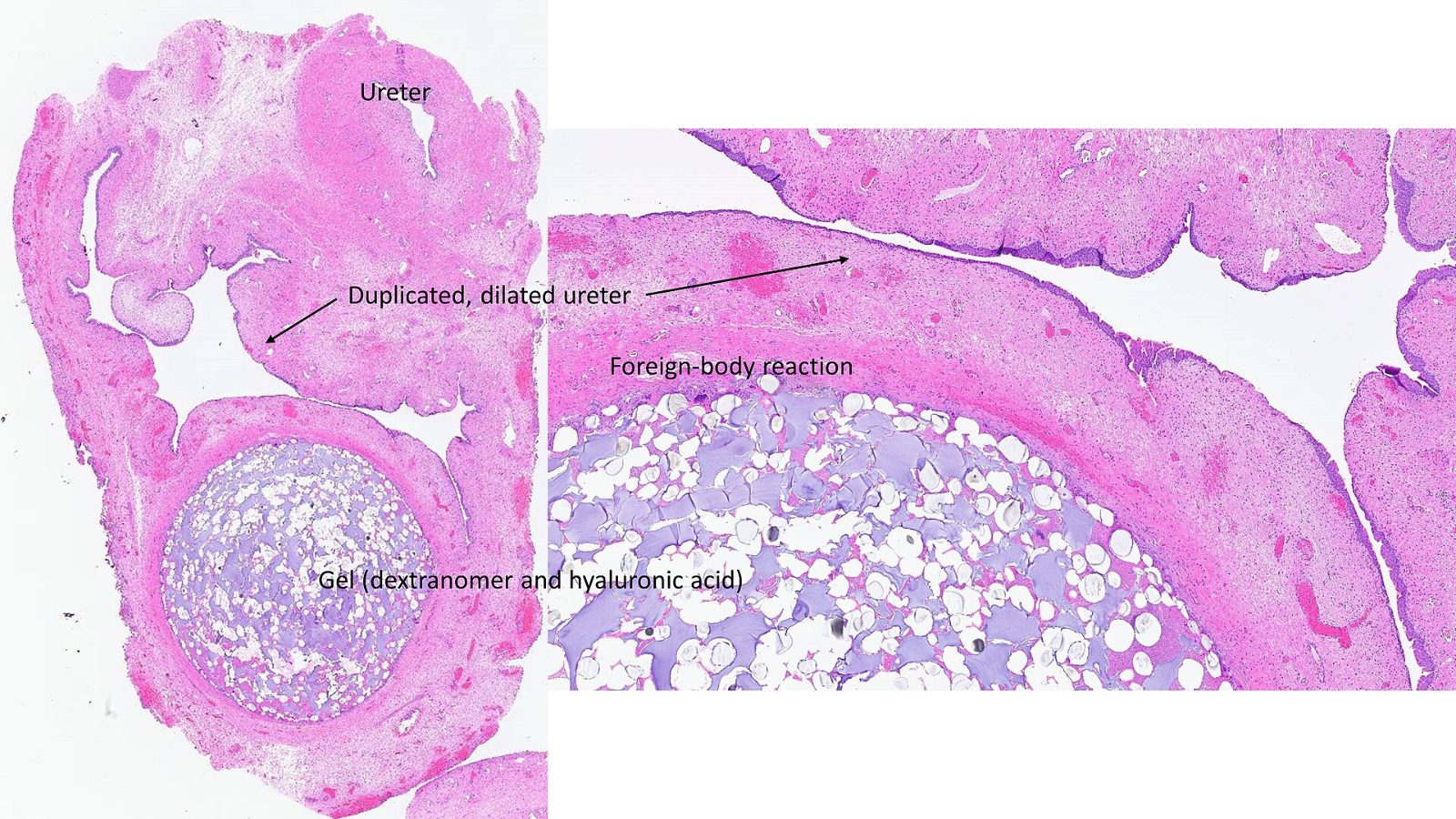
Restylane is a family of hyaluronic acid (HA) dermal fillers made by Galderma. Rather than one product, it is a range of gels with different firmness and flexibility, each designed for particular areas such as lips, cheeks, smile lines or fine lines. Like other HA fillers, Restylane products are temporary and can usually be dissolved with hyaluronidase if needed.
This guide explains how the range is organised, what the gel differences mean in practice, and what to check before treatment in the UAE.
What hyaluronic acid filler actually is
Hyaluronic acid is a sugar molecule found naturally in skin, where it binds water and helps maintain volume and hydration. In fillers, HA is cross-linked, meaning the molecules are chemically joined into a gel that lasts much longer than natural HA, which the body turns over quickly.
The way the gel is made determines how it behaves under the skin:
- Firmer, more cohesive gels hold shape and provide lift, suited to deeper placement on bone, such as cheeks and chin.
- Softer, more flexible gels move with facial expressions, suited to lips and areas that move a lot.
- Very light gels are used for fine lines or skin quality rather than volume.
Most Restylane products also contain lidocaine, a local anaesthetic, to improve comfort.

The two gel technologies
Galderma describes two main manufacturing approaches across the range:
| Technology | General character | Commonly associated with |
|---|---|---|
| NASHA | Firmer gel particles that provide lift and projection | Classic Restylane, Restylane Lyft and similar products for structure |
| OBT (also marketed as XpresHAn in some markets) | More flexible gels designed to move with expression | Products for lips, smile lines and dynamic areas, such as Restylane Kysse, Refyne and Defyne |
Product names, indications and availability differ between countries, and the brand updates its range over time. Ask your practitioner exactly which product they will use, and look at the box and label yourself.
What to check on the day
- The product name and the treatment area it is intended for
- The batch or lot number and expiry date (many clinics give you a sticker or card)
- That the product is registered for use in the UAE
- That the box is opened in front of you
Typical uses across the range
| Area | Goal | Gel type usually chosen |
|---|---|---|
| Lips | Volume, definition, hydration | Soft, flexible |
| Smile lines (nasolabial folds) | Soften folds | Medium to flexible |
| Marionette lines | Soften lines from mouth corners | Medium to flexible |
| Cheeks | Lift and contour | Firmer, lifting |
| Chin | Projection and shape | Firmer, lifting |
| Under eye (tear trough) | Soften hollowness | Soft; very experienced injector needed |
| Fine lines and skin quality | Hydration, smoothness | Very light, often called skin boosters |
Use our filler and injectable comparison table to compare HA fillers with other filler types such as calcium hydroxylapatite.
How long Restylane lasts
Duration depends on the product, area, amount injected and your own metabolism. Areas that move a lot, such as lips, tend to break down sooner than cheeks or chin. Manufacturer information and clinical studies give ranges for specific products, but individual results vary. Be wary of anyone who guarantees a fixed number of months.
The right question is not which brand is best, but which gel suits this area of my face, in these hands.
Restylane compared with other HA brands
Restylane, Juvederm, Belotero, Teosyal and others are all HA fillers with their own manufacturing processes and product lines. In practice, the injector’s skill, anatomical knowledge and product choice for each area matter more than the brand name. Experienced practitioners often use different brands for different areas based on how each gel behaves. For a look at a competing range, see our Juvederm filler guide.
Side effects and complications
Common, usually short-lived effects include swelling, redness, tenderness, bruising and small lumps at injection sites. Less common problems include infection, nodules, asymmetry, the Tyndall effect (a bluish tint when HA is placed too superficially), and delayed inflammatory reactions.
Urgent warning signs
Contact your injector immediately, or go to an emergency department, if you notice severe pain, skin turning pale, grey, blue or mottled, blistering, or any change in vision after filler. These can indicate that filler is affecting blood supply. HA fillers can usually be dissolved with hyaluronidase, and speed matters.
Who should not have filler, or should wait
- Pregnant or breastfeeding women
- People with active skin infection, cold sores or acne in the area
- Anyone with known allergy to the product’s components, including lidocaine
- People with a history of severe allergic reactions, depending on medical advice
- Some people with autoimmune conditions or bleeding disorders, after discussion with their doctor
Choosing a clinic in the UAE
Dermal fillers should be injected by a doctor or licensed practitioner approved by the DHA, DOH or MOHAP in a licensed medical facility. Ask how complications are handled, whether hyaluronidase is kept on site, and who you contact out of hours.
Our injectables consultation checklist covers what to ask, and the dermal fillers in Dubai guide explains the wider landscape.
What a good consultation covers
A proper consultation is more than choosing a syringe. Expect the practitioner to take a medical history, ask about previous fillers and any problems with them, examine your face at rest and in motion, and explain why a particular product suits each area. They should describe likely results honestly, including what filler cannot achieve, and talk through risks and the plan if something goes wrong. Standardised photographs before treatment are good practice, as they make the follow-up review objective. If you feel rushed, or the conversation focuses on how many syringes to buy rather than what your face needs, it is reasonable to walk away and get a second opinion.
Aftercare
- Avoid touching or massaging the area unless advised.
- Skip heavy exercise, saunas and hot environments for a day or so.
- Avoid alcohol for the rest of the day to limit swelling and bruising.
- Sleep with your head slightly raised the first night if swelling is a concern.
- Attend a follow-up review, typically around two weeks after treatment.
FAQ
Is Restylane safe?
Restylane products are widely used and approved in many countries for specific indications. Like all fillers, they carry risks, some serious, which is why injector training and a licensed setting matter.
Can Restylane be dissolved?
Yes. As an HA filler, it can usually be broken down with hyaluronidase by a medical professional.
Does Restylane hurt?
Most products contain lidocaine, and topical numbing cream is often used. Expect some pressure and tenderness.
How soon can I see results?
Volume is visible immediately, but swelling can distort the result for several days. The settled look is usually judged at about two weeks.
Sources: Galderma, US FDA, dermal fillers, American Academy of Dermatology
Cover photo: Atlas of Medical Foreign Bodies, CC BY-SA 2.0. Last reviewed: 2026-11-25. General information only, not medical advice. Please consult a licensed practitioner in the UAE about your own situation.



