


Dermal fillers in Dubai are gel injections, most often hyaluronic acid, used to restore volume, contour the face or smooth deep folds. They should be injected by a licensed doctor in a DHA-licensed facility, results typically last from several months to over a year depending on the product and area, and the most important safety question is whether your injector can recognise and treat complications.
What dermal fillers are
A dermal filler is a substance injected under the skin to add volume or support. Unlike Botox, which relaxes muscles, fillers physically fill or lift. They are used for areas such as the cheeks, lips, chin, jawline, temples, under-eye hollows and the folds running from the nose to the mouth.
There are several families of filler, and they behave very differently.
| Filler type | Examples you may hear | How it works | Reversible? |
|---|---|---|---|
| Hyaluronic acid (HA) | Juvederm, Restylane, Belotero, Teosyal, Revolax | Gel that binds water and adds volume | Yes, can be dissolved with hyaluronidase |
| Calcium hydroxylapatite | Radiesse | Gel carrier with microspheres that stimulate collagen | No |
| Poly-L-lactic acid | Sculptra | Gradual collagen stimulation over months | No |
| Permanent fillers | PMMA-based products | Non-absorbable particles | No, and complications can be long-term |
Most experienced injectors in Dubai use hyaluronic acid fillers for the majority of areas, largely because they can be dissolved if something goes wrong or the result is not liked. Our dermal filler and injectable comparison gives a fuller side-by-side view.
Popular treatment areas
Cheeks and midface. Restoring support here can also soften the look of under-eye hollows and nasolabial folds.
Lips. Can add volume, define the border or improve symmetry. Subtle work usually ages better than large volumes.
Chin and jawline. Used to balance a profile or define the lower face, often with firmer HA products.
Under-eye (tear trough). A delicate area with thin skin. Not everyone is a good candidate, and the wrong product or technique can cause puffiness or a bluish tint.
Temples. Hollow temples can make the face look tired; small amounts of filler can soften this.
Nose. A non-surgical nose job can disguise small bumps, but the nose carries a higher risk of serious vascular complications and needs a very experienced injector.
How long fillers last
Duration depends on the product, how much is used, where it is placed, how much the area moves, and your own metabolism. As a broad guide, HA fillers in the lips tend to last a shorter time than firmer products in the cheeks or chin. Many people have top-ups after six to eighteen months. Biostimulators such as Sculptra work slowly and can last longer, but they cannot be dissolved.
Before you commit
- Ask for the exact product name and see the sealed box and batch label
- Ask whether the product is HA and therefore reversible
- Ask whether the clinic keeps hyaluronidase on site
- Ask who will inject and how many of these procedures they do
Choosing a clinic in Dubai
In Dubai, medical facilities and the doctors who work in them are licensed by the Dubai Health Authority. You can check a facility or professional through official DHA channels. Abu Dhabi and the northern emirates have their own regulators, the Department of Health and the Ministry of Health and Prevention.
A good injector will:
- take a full medical history and photographs
- look at your whole face rather than just the area you mention
- explain risks clearly, including rare serious ones
- suggest less rather than more for a first treatment
- give written aftercare and an out-of-hours contact
Our injectables consultation checklist lists the questions to ask before booking.
Price is not the first filter for fillers. The real question is: if a complication happened in your chair, would this injector know exactly what to do?
Risks and complications
Most side effects are temporary: swelling, tenderness, bruising and small lumps that settle over days to a couple of weeks. Less commonly, there may be infection, delayed lumps or nodules, or migration of filler.
The most serious complication is vascular occlusion, when filler blocks or compresses a blood vessel. This can damage the skin and, rarely, cause loss of vision. It is a medical emergency, and treatment with hyaluronidase is time-critical.
Seek immediate help if you notice
- Severe pain, especially if it gets worse rather than better
- Skin turning white, blotchy, dusky or blue near the treated area
- Any change in vision, eye pain or a drooping eyelid
- Blisters or scabbing developing days after treatment
Contact your injector straight away and go to an emergency department if you cannot reach them.
Who should avoid or delay fillers
- People who are pregnant or breastfeeding
- Anyone with an active infection, cold sore or skin condition at the site
- People with known allergy to the product or to lidocaine, often mixed into fillers
- Those with certain autoimmune conditions or bleeding disorders, unless their doctor agrees
- Anyone planning dental work or vaccination around the same time, which some injectors prefer to separate
Aftercare
Expect some swelling for a few days, especially in the lips. Practitioners commonly advise avoiding heavy exercise, saunas, steam rooms and alcohol for about a day, and not massaging the area unless instructed. Use cold compresses if advised. In the UAE heat, stay out of the midday sun and keep hydrated while swelling settles.

Frequently asked questions
Are dermal fillers safe?
In trained hands with approved products, most treatments go smoothly. All fillers carry some risk, including rare serious complications. Choosing a qualified doctor and an HA filler where possible reduces the risk.
Can fillers be removed?
Hyaluronic acid fillers can be dissolved with an enzyme called hyaluronidase. Other types, such as calcium hydroxylapatite and poly-L-lactic acid, cannot be dissolved in the same way.
How much do dermal fillers cost in Dubai?
Prices vary widely by product, amount, area and clinic. Ask for a written quote that names the product and the number of syringes, and be wary of prices far below the market.
Do fillers hurt?
Most fillers contain local anaesthetic, and many clinics use numbing cream. Expect pressure and some discomfort, especially in the lips.
Sources: American Academy of Dermatology, U.S. Food and Drug Administration, Dubai Health Authority
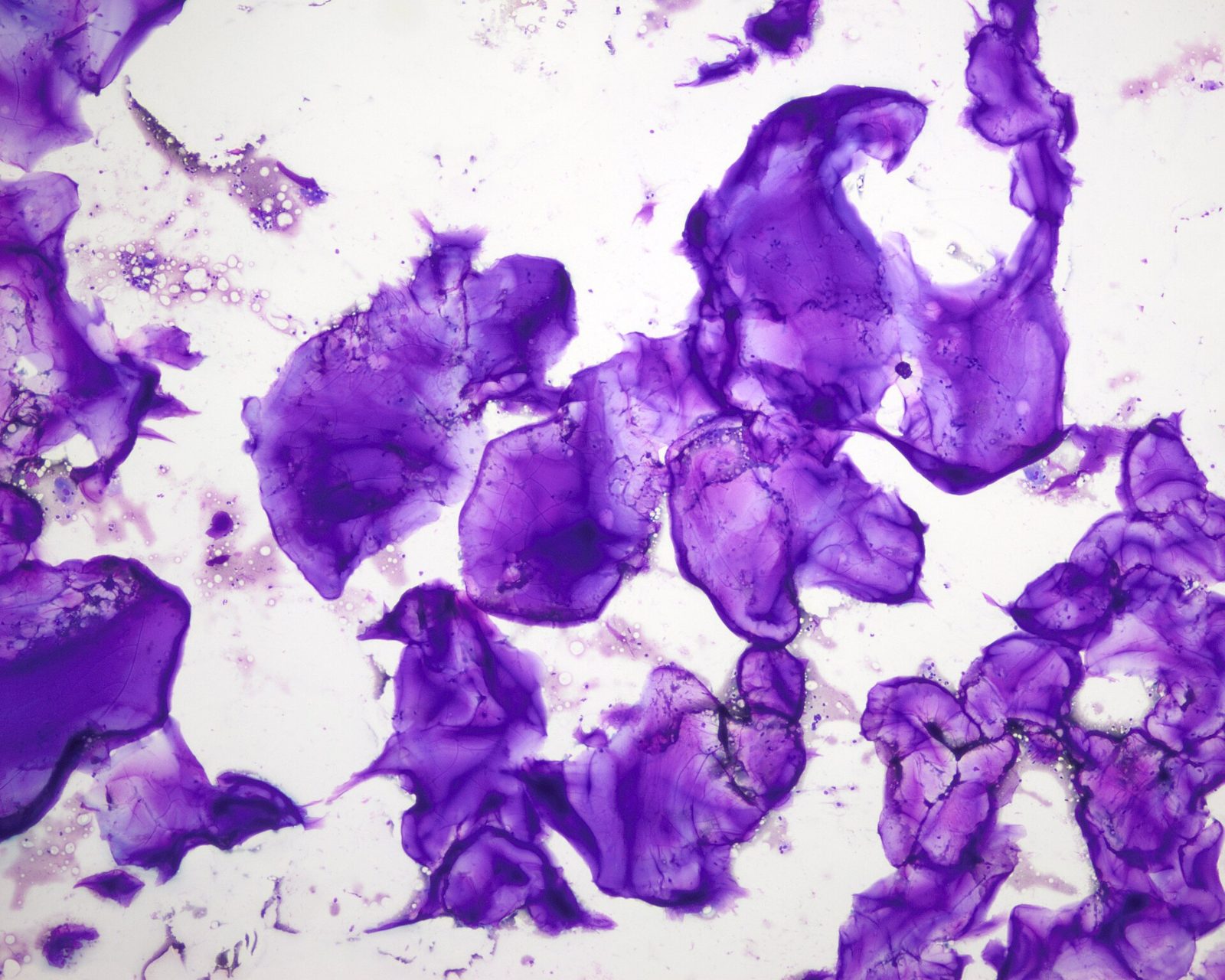
Cover photo: Atlas of Medical Foreign Bodies, CC BY-SA 2.0. Last reviewed: 2026-11-25. General information only, not medical advice. Please consult a licensed practitioner in the UAE about your own situation.



