

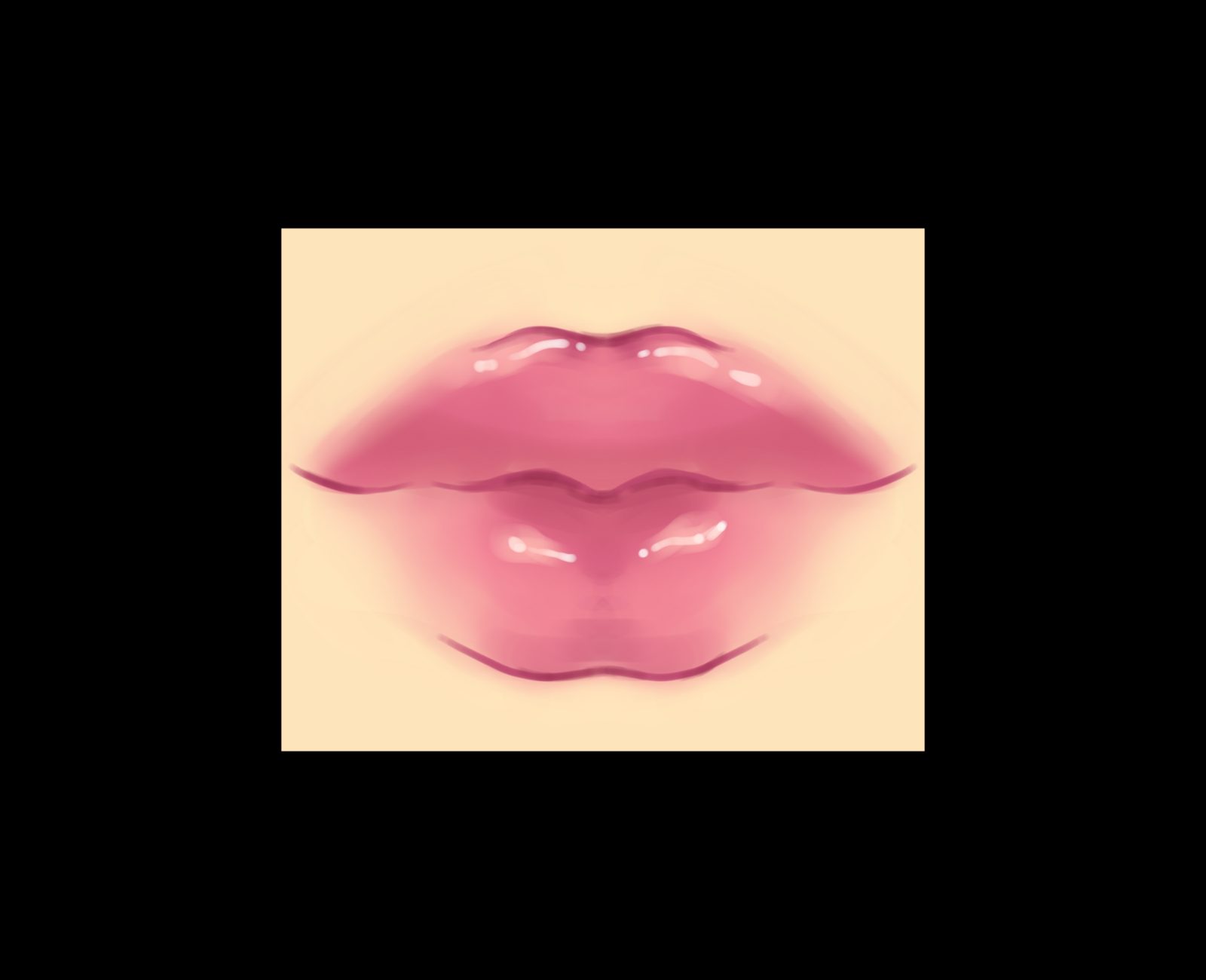
Lip filler is an injection of a soft hyaluronic acid (HA) gel into the lips to add volume, improve shape or definition, balance the upper and lower lip, or hydrate lips that have thinned with age. Results are visible immediately, settle over about two weeks, and gradually fade over months as the body breaks the gel down. Because HA can usually be dissolved, it is the most common filler type for lips.
Natural-looking results depend far more on the plan and the injector than on the brand in the syringe.
What lip filler can do
People ask for lip filler for quite different reasons, and each needs a different approach.
| Goal | What it involves |
|---|---|
| More volume | Adding gel to the body of the lips |
| Better definition | Placing small amounts along the border (vermilion border) |
| Balance | Adjusting the ratio between upper and lower lip |
| Correcting asymmetry | Adding volume on one side or in specific segments |
| Hydration and smoothness | Very soft gel in small amounts for texture |
| Lifting mouth corners | Support at the corners, sometimes with other treatments |
Many people asking for “a bit more” are happiest with a modest amount at a first session, with a review before adding more.

What makes a result look natural
- Proportion: lips that suit the rest of the face, not a template.
- Gradual change: building over sessions rather than all at once.
- Soft, flexible gel: lips move constantly, so products designed for dynamic areas are usually chosen.
- Respecting anatomy: keeping the natural shape of the cupid’s bow and lip border.
- Avoiding overfilling: too much volume, especially over repeated sessions, can push filler above the lip border and create a “shelf” look.
If you can still recognise your own lips, only fuller, the plan was probably right.
The appointment, step by step
- Medical history and discussion of goals, often with photographs.
- Numbing cream for some minutes; most lip fillers also contain lidocaine.
- Cleaning the skin thoroughly.
- Injections with a fine needle or a blunt cannula, in small amounts.
- Checking symmetry, with you sitting up and using a mirror.
- Aftercare advice and a review appointment, usually at about two weeks.
Recovery: what is normal
Typical first two weeks
- Day 1 to 2: swelling is often at its peak, especially on waking. Lips can look uneven or larger than the final result.
- Day 2 to 4: tenderness and bruising may be visible; small lumps can be felt.
- Day 5 to 7: most swelling has eased.
- Around day 14: the result is close to settled. This is when to judge it.
Cold compresses wrapped in cloth, avoiding very hot drinks on the first day, and sleeping with your head slightly raised can help. Your practitioner may ask you to avoid strenuous exercise, saunas and alcohol for a short period.
Risks and complications
The lips are a vascular area, so even experienced injectors take serious complications seriously.
Get urgent help if you notice
- Severe pain that is worsening rather than easing
- Pale, white, dusky blue or blotchy skin on the lip or nearby
- Blisters or scabs appearing in the days after treatment
- Any change in vision
Contact the injector immediately or attend an emergency department. These can be signs of reduced blood flow, which needs prompt treatment, often with hyaluronidase.
Other possible problems include infection, cold sore reactivation in people prone to them, lumps or nodules, asymmetry, migration of filler beyond the lip border, and delayed swelling weeks or months later, sometimes linked to infections or dental work.
Who should avoid lip filler or wait
- Pregnant or breastfeeding women
- Anyone with an active cold sore, infection or broken skin on the lips
- People with a known allergy to the product’s components, including lidocaine
- People with certain autoimmune conditions or bleeding disorders, after medical discussion
- Anyone with recent or planned dental work, depending on timing advice from the practitioner
If you get cold sores, mention it: some practitioners recommend preventive medicine prescribed by a doctor before treatment.

Choosing a product and injector in the UAE
Several HA ranges include lip-specific products, such as those from Restylane and Juvederm. Our Restylane and Juvederm explainers describe how those ranges are organised, and the filler comparison table sets HA fillers alongside other options.
In the UAE, fillers should be injected by a practitioner licensed by the DHA, DOH or MOHAP in a licensed facility. Ask to see the product box, the batch sticker and the expiry date, and confirm that hyaluronidase is kept on site. Our consultation checklist lists more questions.
Heat and sun after treatment
In the hottest months, many clinics suggest avoiding long periods outdoors, hot yoga and saunas for a day or two after filler, since heat can increase swelling. Plan treatment around beach days and events.
How long lip filler lasts
Lips move constantly when talking and eating, so lip filler tends to break down sooner than filler in the cheeks or chin. Duration varies with the product, amount and individual. Rather than topping up on a fixed schedule, it is reasonable to wait until the result has softened and reassess.
Lip filler versus a lip flip
A “lip flip” uses a small amount of botulinum toxin to relax the muscle around the mouth so the upper lip rolls out slightly. It adds no volume and lasts a shorter time. Some people combine the two; others find that one is enough. Discuss which matches your goal.
FAQ
Does lip filler hurt?
Most people feel pressure and some stinging. Numbing cream and lidocaine in the product make it tolerable for most.
Can lip filler be dissolved?
HA lip filler can usually be dissolved with hyaluronidase by a medical professional. Results of dissolving can take a few days to show fully.
Why do my lips look uneven the day after?
Swelling is often uneven at first. Judge symmetry at the two-week review, not on day one.
Can I have lip filler before a wedding or event?
Plan at least two to three weeks ahead so swelling and any bruising have time to settle, and to allow a review.
Sources: American Academy of Dermatology, US FDA, dermal fillers, Dubai Health Authority
Last reviewed: 2026-11-25. General information only, not medical advice. Please consult a licensed practitioner in the UAE about your own situation.



