

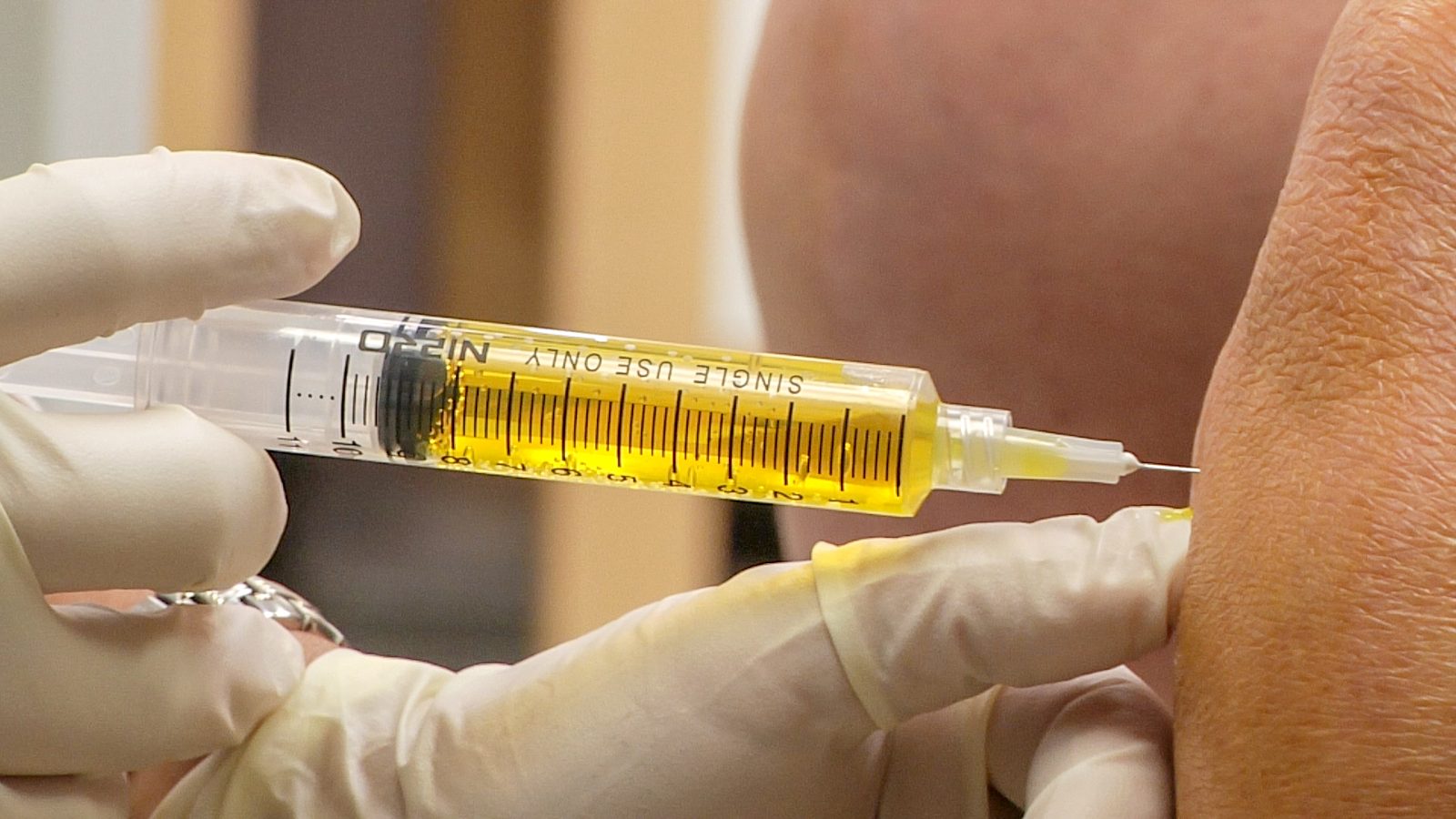
Most dermal filler side effects are expected and temporary: swelling, tenderness, redness and bruising at the injection sites, usually settling within days to two weeks. Less common problems include lumps, asymmetry, a bluish tint under thin skin, infection and delayed swelling weeks or months later. The rare but most serious complication is filler blocking or compressing a blood vessel, which needs immediate treatment. Knowing the difference helps you respond quickly when it matters.
This guide focuses on hyaluronic acid (HA) fillers, the most common type, with notes on others.
Expected effects in the first two weeks
| Effect | Typical course | What helps |
|---|---|---|
| Swelling | Peaks in the first day or two, then eases | Cold compress wrapped in cloth, head raised at night |
| Bruising | Several days to about a week or more | Cold compress early; concealer once skin has closed |
| Tenderness | A few days | Avoid pressure; simple painkillers if suitable for you |
| Redness at injection points | Hours to a day | Usually settles on its own |
| Firmness or small bumps | Days to two weeks as product integrates | Avoid massaging unless advised |
| Mild asymmetry | Often due to uneven swelling | Judge at the two-week review |
Lips and the area under the eyes tend to swell more than cheeks or chin.

Less common side effects
Lumps and nodules
Small lumps can come from product placed unevenly or too superficially, or from swelling. Many settle; some need massage by the practitioner or dissolving with hyaluronidase. Firm, red or painful lumps appearing later can be inflammatory or infection-related and need medical assessment.
Tyndall effect
A bluish tint under thin skin, often under the eyes, when HA is placed too close to the surface. It does not usually fade on its own and is commonly treated by dissolving.
Migration and overfilling
Filler can appear to spread beyond the treated area over time, for example above the lip border. Overfilling, especially from repeated top-ups, can give a puffy or unnatural look.
Infection
Redness, warmth, swelling and pain that increase after the first days, sometimes with pus or fever, can indicate infection. This needs prompt medical care.
Delayed inflammatory reactions
Some people develop swelling, firmness or tenderness weeks or months after treatment, sometimes after an infection, vaccination or dental work. These usually respond to medical treatment, but should be assessed by the injector or a doctor rather than ignored.
Cold sore reactivation
If you are prone to cold sores, lip treatment can trigger an outbreak. Mention this before treatment, as preventive medicine may be advised.
The serious one: vascular occlusion
Act immediately if you notice
- Severe pain at or near the injection site, often out of proportion to normal tenderness
- Skin turning pale or white, then dusky, blue, grey or mottled
- Slow return of colour when you press the skin
- Blistering or scabbing in the following days
- Any change in vision, eye pain or drooping, especially after treatment of the nose, forehead, between the brows or around the eyes
Contact your injector at once or go to an emergency department. Vision changes are an emergency. With HA filler, prompt treatment with hyaluronidase can restore blood flow; delays increase the risk of skin damage.
This complication is rare, but it is the reason anatomy training, careful technique and a clinic prepared with hyaluronidase matter so much.
Side effects by filler type
| Filler type | Reversible? | Notes |
|---|---|---|
| Hyaluronic acid | Usually, with hyaluronidase | Most common; complications can often be corrected |
| Calcium hydroxylapatite (e.g. Radiesse) | Not with hyaluronidase | Nodules possible; avoid lips |
| Poly-L-lactic acid (e.g. Sculptra) | No | Delayed nodules possible; massage aftercare |
| Permanent fillers | No | Higher long-term complication risk; generally not recommended by many practitioners |
See our guides to Radiesse, Sculptra and dissolving filler.
Reducing your risk
- Choose a doctor or licensed practitioner approved by the DHA, DOH or MOHAP, working in a licensed facility.
- Ask which product is used and see the box, batch sticker and expiry date.
- Confirm that hyaluronidase is kept on site and that the clinic has a complications plan.
- Share your full medical history, including allergies, autoimmune conditions, blood thinners, recent illness and planned dental work.
- Avoid treatment if you have an active infection, cold sore or inflamed acne in the area.
- Attend the review appointment.
Our consultation checklist and filler comparison table help you prepare.
Who should not have filler, or should wait
- Pregnant or breastfeeding women
- People with active skin infection in the area
- People with known allergy to the product or lidocaine
- Some people with autoimmune conditions or bleeding disorders, after discussion with their doctor
If you had filler abroad or at another clinic
Many people in the UAE have treatments in different countries or clinics over the years. If a problem appears and the original injector is not reachable:
- Gather whatever records you have: product name, batch sticker, date, areas and amounts injected, and photos before and after.
- For signs of reduced blood flow or vision changes, go straight to an emergency department; do not wait to contact the original clinic.
- For non-urgent problems such as lumps, migration or persistent swelling, book with an experienced, licensed injector or dermatologist who regularly manages complications.
- If you do not know which filler was used, say so. It affects whether dissolving is an option and how the practitioner will approach treatment.
Keeping a simple personal record of every injectable treatment, stored on your phone, saves time and uncertainty later.

Aftercare that limits common side effects
- Avoid touching or pressing the area on the first day.
- Skip strenuous exercise, saunas, steam rooms and intense heat for a day or two.
- Avoid alcohol for the rest of the day.
- Sleep with your head slightly raised the first night.
- Avoid facials, massage and dental work in the following days unless agreed with your practitioner.
In UAE summers, plan to stay in cooler places on the day of treatment, as heat can increase swelling.
Normal side effects improve day by day. Anything that worsens deserves a call.
FAQ
How long does swelling last after filler?
Most swelling settles within a few days to a week, with the area close to final by about two weeks. Lips and under eyes may take longer.
Is bruising after filler normal?
Yes, especially in lips and under the eyes. It usually fades within a week or so.
Can filler move?
It can appear to migrate over time, particularly with overfilling or superficial placement. HA filler can usually be dissolved and redone.
When should I worry about a lump?
If it is painful, red, hot, growing, or appears weeks later, contact your injector or a doctor.
Sources: American Academy of Dermatology, US FDA, dermal fillers, British Association of Dermatologists
Cover photo: [<a href=”https://www.amaskincare.com/about/alice-pien-md-medical-director/”&, CC BY-SA 4.0. Last reviewed: 2026-11-25. General information only, not medical advice. Please consult a licensed practitioner in the UAE about your own situation.



