

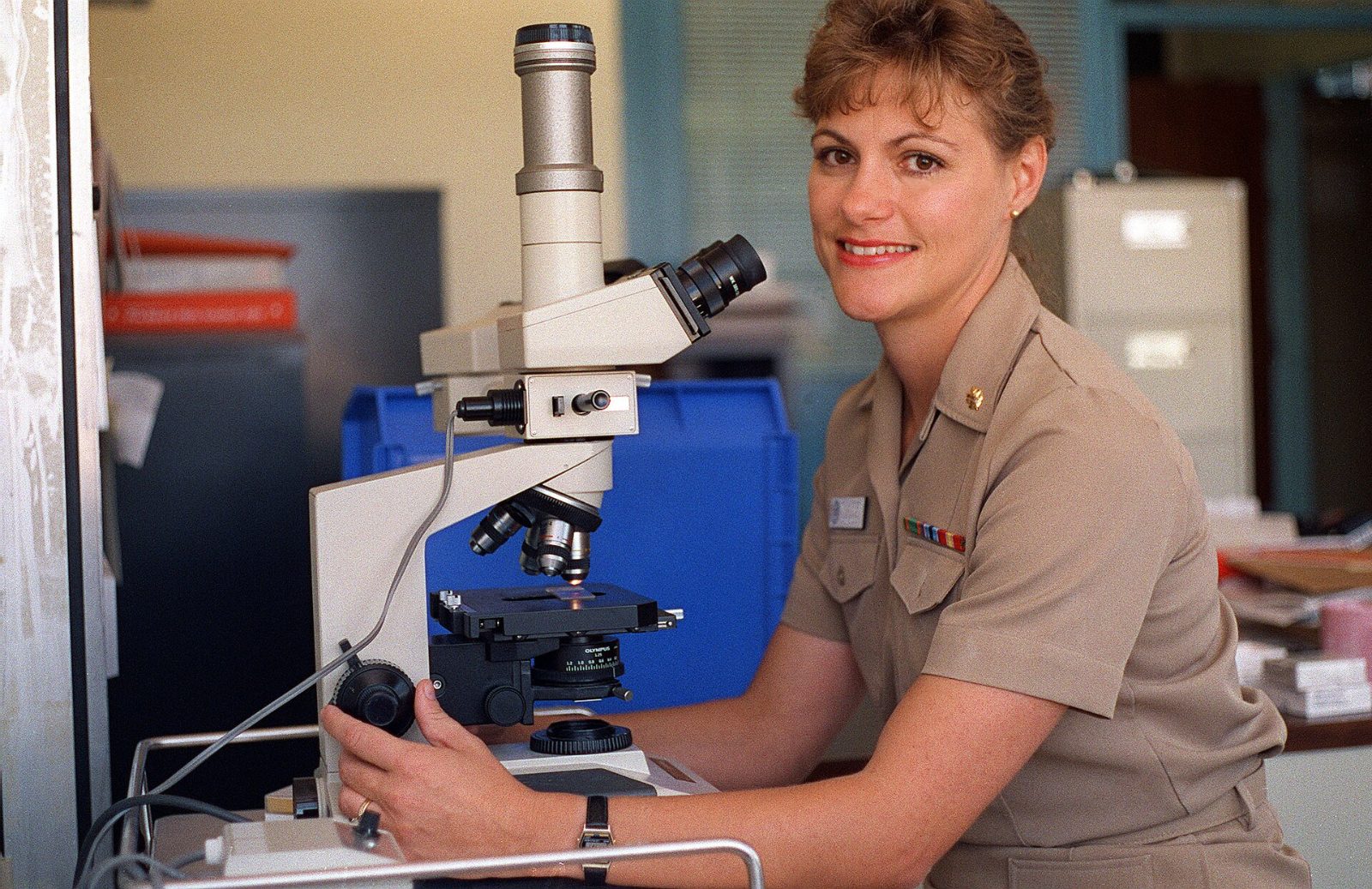
A dermatologist is a medical doctor who specialises in diagnosing and treating conditions of the skin, hair, nails and the mucous membranes of the mouth and genitals. After medical school, dermatologists complete several years of specialist training, which allows them to treat everything from acne and eczema to skin cancer, and to perform procedures ranging from biopsies to cosmetic injections.
What dermatologists treat
Skin is the body’s largest organ, and dermatology covers thousands of conditions. The most common reasons people see a dermatologist include:
- Acne and acne scarring
- Eczema (atopic dermatitis) and contact dermatitis
- Psoriasis
- Rosacea
- Moles, skin checks and skin cancer, including melanoma, basal cell carcinoma and squamous cell carcinoma
- Hair loss such as alopecia areata, pattern hair loss and telogen effluvium
- Nail problems including fungal infections and nail changes linked to other diseases
- Pigment disorders like melasma and vitiligo
- Infections of the skin: fungal, bacterial and viral
- Excessive sweating (hyperhidrosis)
Dermatologists also recognise skin signs of internal diseases, such as diabetes, thyroid problems and autoimmune conditions, and work with other specialists when needed.
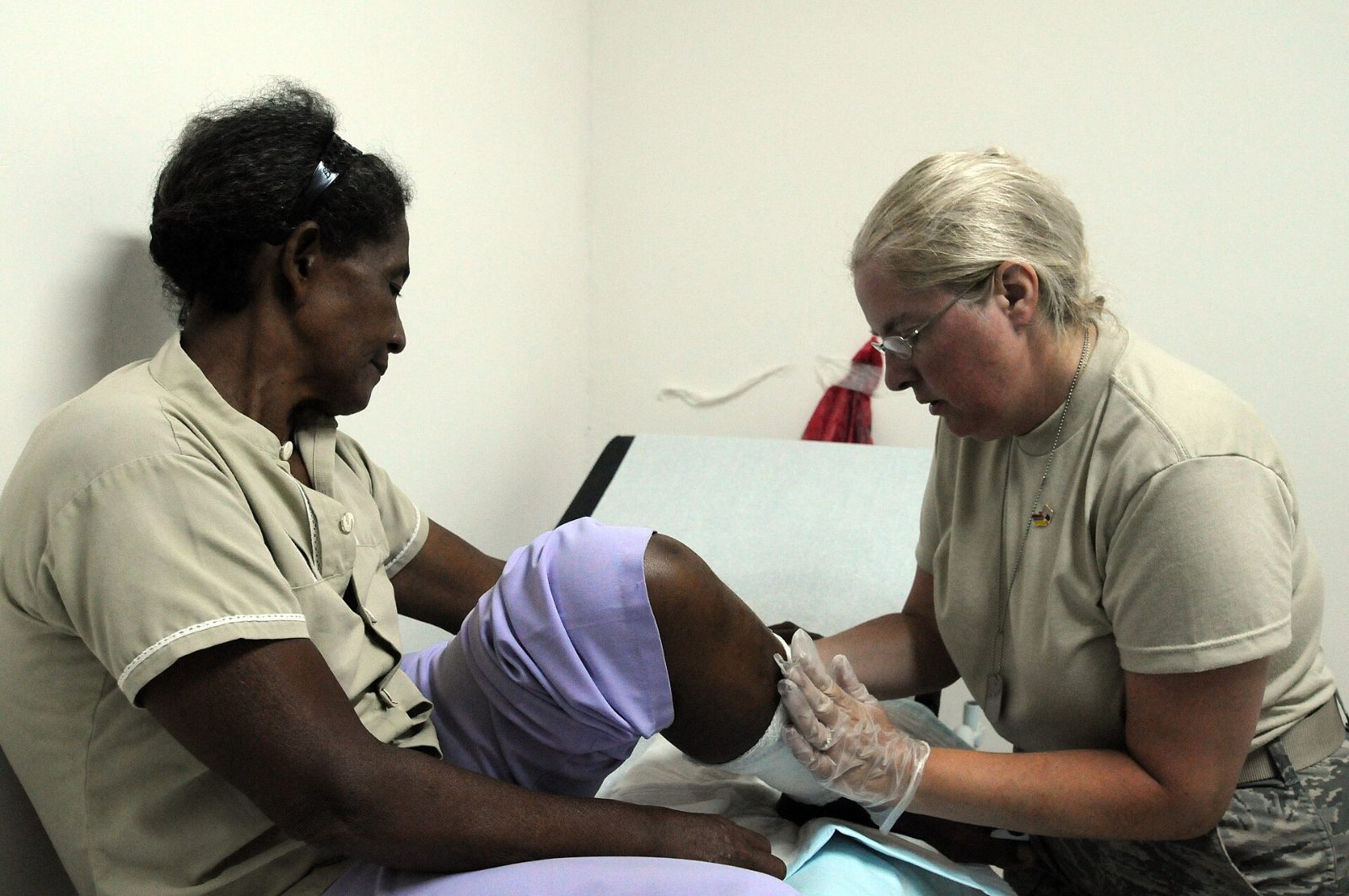
Medical, surgical and cosmetic dermatology
| Area | What it covers | Examples |
|---|---|---|
| Medical dermatology | Diagnosis and long-term treatment of skin disease | Eczema, psoriasis, acne, rosacea |
| Surgical dermatology | Removing lesions and treating skin cancers | Excisions, biopsies, Mohs surgery in specialised centres |
| Cosmetic dermatology | Treatments to improve appearance | Botulinum toxin, fillers, peels, lasers |
| Paediatric dermatology | Skin conditions in children | Birthmarks, childhood eczema |
| Dermatopathology | Diagnosing skin disease under the microscope | Analysing biopsy samples |
Many dermatologists combine medical and cosmetic work. Others focus on one area. When choosing, it helps to ask what proportion of their practice relates to your concern.
How dermatologists train
Training varies by country but generally includes:
- A medical degree
- Internship or foundation years in general medicine
- Several years of specialist dermatology residency or training
- Board certification or specialist registration
- Optional fellowships in areas such as dermatologic surgery, paediatric dermatology or dermatopathology
In the UAE, doctors are licensed according to their qualifications and experience, typically as general practitioners, specialists or consultants. The licence category tells you a lot about a doctor’s level of training in a field.
Dermatologist, aesthetician, cosmetologist: what is the difference?
- Dermatologist: medical doctor with specialist training; can diagnose, prescribe and operate
- Aesthetic doctor: a medical doctor who focuses on cosmetic treatments; may not be a dermatology specialist
- Aesthetician or skin therapist: non-medical professional providing facials and some skin treatments; cannot diagnose disease or prescribe
- Cosmetologist: a term used differently across countries; check what qualification it refers to
When to see a dermatologist
If a skin problem is changing, bleeding, spreading or not responding to basic care, it deserves a medical look.
See a dermatologist, or start with your GP, if you have:
- A new mole or a mole that changes in size, shape or colour
- A sore or spot that does not heal within a few weeks
- Acne that leaves scars or affects your confidence
- An itchy rash that keeps returning
- Sudden or patchy hair loss
- Nail changes without a clear cause
- Skin problems affecting sleep, work or mood
Get seen promptly for
- A mole that is changing, itching or bleeding
- A rapidly spreading painful rash, especially with fever
- Blistering over large areas of skin
- Swelling of the face, lips or tongue
Skin health in the UAE
The local environment shapes the skin problems people bring to dermatologists. Intense sun increases the risk of sun damage, pigmentation and skin cancer, especially for people with fair skin. Melasma is a common concern for many skin types. Heat and sweating aggravate conditions such as heat rash, fungal infections and some forms of eczema, while long hours in air-conditioned spaces dry the skin. Hard water in some areas is also a frequent complaint, though its effects are debated.
Daily sunscreen, shade, gentle cleansing and moisturising are simple steps that dermatologists commonly recommend regardless of skin type.
How to choose a dermatologist in the UAE
- Check the doctor’s licence and category with the Dubai Health Authority (DHA), the Department of Health Abu Dhabi (DOH) or the Ministry of Health and Prevention (MOHAP)
- Confirm that their specialty is dermatology, not only aesthetic medicine, if you have a medical concern
- Ask whether they have experience with your specific condition
- Check whether your insurance covers the visit and if a referral is required
- Read the clinic’s policies on follow-up and test results
For cosmetic treatments, our consultation checklist lists questions to ask before booking injectables.
Checking your own skin between visits
Dermatologists often encourage a monthly self-check, especially for people with many moles or a history of sunburn. Use a full-length mirror and a hand mirror in good light, or ask a partner to help with your back and scalp.
Many doctors teach the ABCDE guide for moles:
- Asymmetry: one half does not match the other
- Border: ragged, notched or blurred edges
- Colour: several shades, or uneven colour
- Diameter: larger than about 6 mm, though melanomas can be smaller
- Evolving: any change in size, shape, colour, height, or new symptoms such as itching or bleeding
Also look out for the “ugly duckling”, a mole that looks different from your others. Taking dated photos on your phone makes changes easier to spot and to show the doctor.
What happens at a first appointment
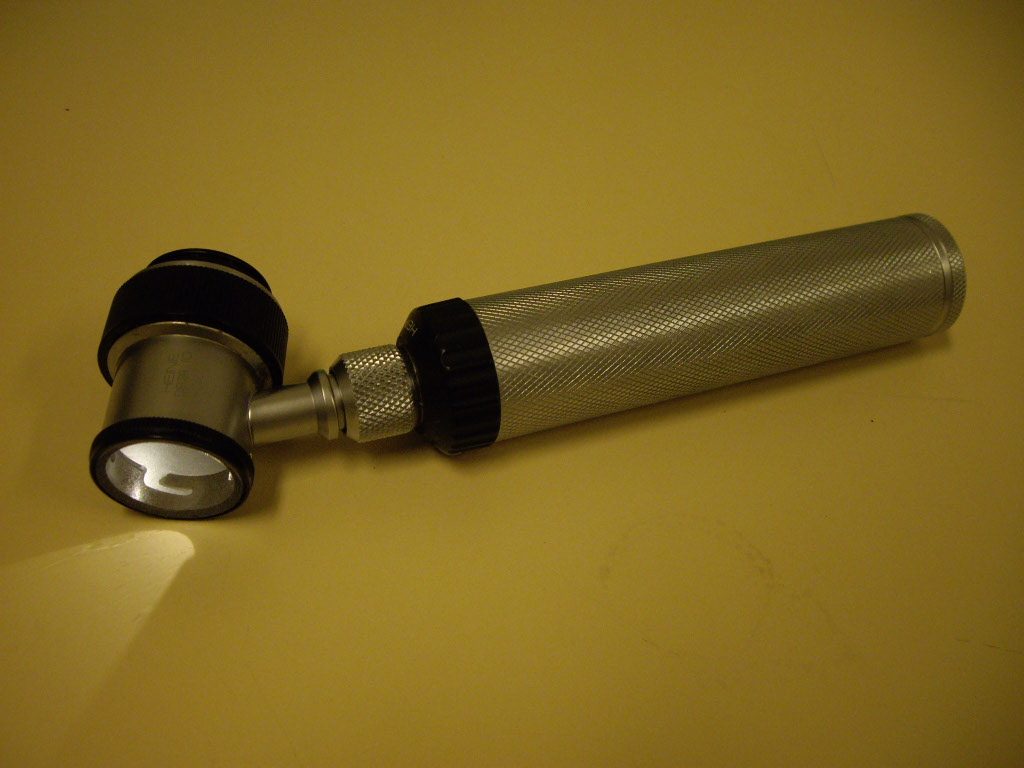
Expect questions about your symptoms, how long they have lasted, what you have tried, your medical history and family history. The dermatologist will examine the skin, sometimes using a dermatoscope, a handheld magnifier with light. They may take swabs, scrapings or a small biopsy, which is usually quick and done under local anaesthetic.
Bring a list of medicines and products you use, and photos if your skin changes from day to day.
Frequently asked questions
Is a dermatologist a real doctor?
Yes. A dermatologist is a medical doctor with additional specialist training in skin, hair and nail diseases.
Can a dermatologist prescribe medicine?
Yes, including creams, tablets and, for some conditions, injectable or biologic treatments.
Do I need a referral?
In the UAE it depends on your insurance plan and the facility. Many clinics accept direct bookings.
Should I see a dermatologist for a full skin check?
People with many moles, a history of sunburn, fair skin or a family history of skin cancer may benefit. Discuss how often with the doctor.
Sources: American Academy of Dermatology, British Association of Dermatologists, Dubai Health Authority.
Cover photo: Expert Infantry, CC BY 2.0. Last reviewed: 2026-11-25. General information only, not medical advice. Please consult a licensed practitioner in the UAE about your own situation.