

Botox is a purified form of botulinum toxin type A that temporarily relaxes the muscles it is injected into. In cosmetic use it softens lines caused by movement, such as frown lines, forehead lines and crow’s feet, and the effect usually lasts around three to four months before the muscle gradually works again.
How botulinum toxin works
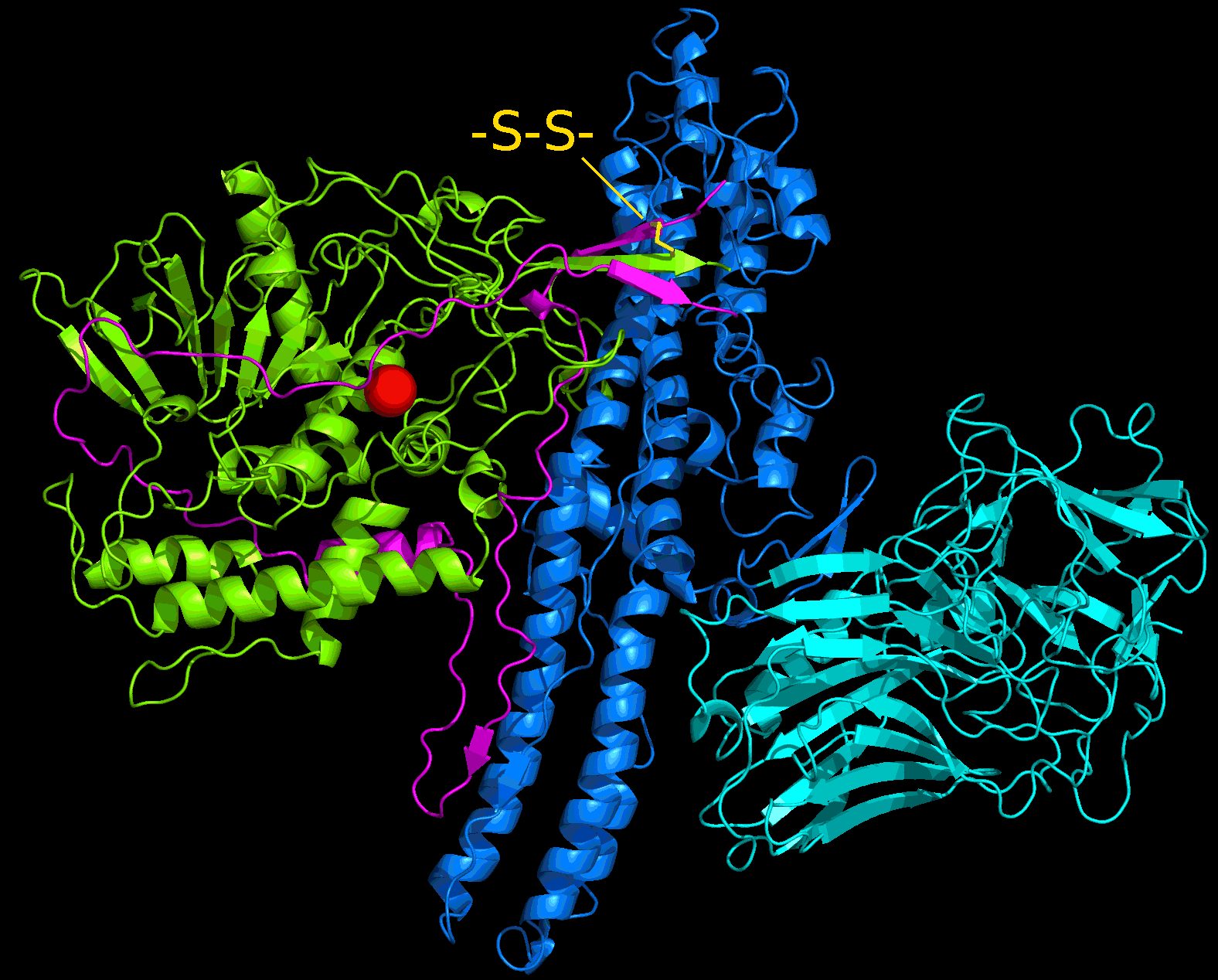
Every facial expression starts with a nerve signal telling a muscle to contract. That signal relies on a chemical messenger called acetylcholine. Botulinum toxin blocks the release of acetylcholine at the junction between nerve and muscle, so the treated muscle contracts less strongly. Skin that has been creased by the same movement thousands of times a day gets a break, and the lines on top of it look softer.
The effect is not permanent. The nerve endings slowly grow new connections, and over a period of months the muscle regains its normal strength. This is why treatments are repeated, and also why an unwanted result, such as a slightly heavy brow, eventually wears off on its own.
Botox in brief
- Active ingredient: botulinum toxin type A
- Onset: usually 2 to 5 days
- Full effect: around 10 to 14 days
- Typical duration: about 3 to 4 months, varies by person and area
- Downtime: minimal, small marks or bruises may appear at injection points
Brand names you will hear in UAE clinics
“Botox” is the brand name of onabotulinumtoxinA, made by Allergan (now part of AbbVie). People use the word for all botulinum toxins, but clinics in the UAE may offer several different products. They are not interchangeable unit for unit, so a dose of one cannot simply be swapped for the same number of units of another.
| Product | Generic name | Notes |
|---|---|---|
| Botox | onabotulinumtoxinA | The original and most studied cosmetic brand |
| Dysport | abobotulinumtoxinA | Different unit system; some practitioners use it for larger areas |
| Xeomin | incobotulinumtoxinA | Formulated without complexing proteins |
| Nabota / Jeuveau | prabotulinumtoxinA | Newer product, approved for frown lines in several markets |
Ask your doctor which product is being used and why. A reputable clinic will tell you the brand and show you the sealed vial if you ask. For a side-by-side view of injectables, see our dermal filler and injectable comparison.
Common cosmetic areas
Botulinum toxin works on dynamic wrinkles, the ones that appear with movement. It does little for static lines that are etched into the skin at rest or for volume loss, which is where fillers or skin boosters come in.
- Glabellar (frown) lines between the eyebrows, the area with the longest track record
- Forehead lines, usually treated together with the frown area to keep the brow balanced
- Crow’s feet at the outer corners of the eyes
- Masseter muscles in the jaw, for clenching or a wider lower face
- Platysmal bands in the neck, and small “lip flip” or chin dimpling doses in experienced hands
Medical uses beyond wrinkles
The same toxin is used in mainstream medicine, which says a lot about how well its effects are understood. Licensed uses in various countries include chronic migraine, excessive underarm sweating (hyperhidrosis), certain eye muscle conditions, muscle spasticity and overactive bladder. In the UAE’s hot climate the sweating indication is a common reason people first encounter it. These treatments should be prescribed and given by the relevant specialist, not a cosmetic walk-in.
What happens at an appointment
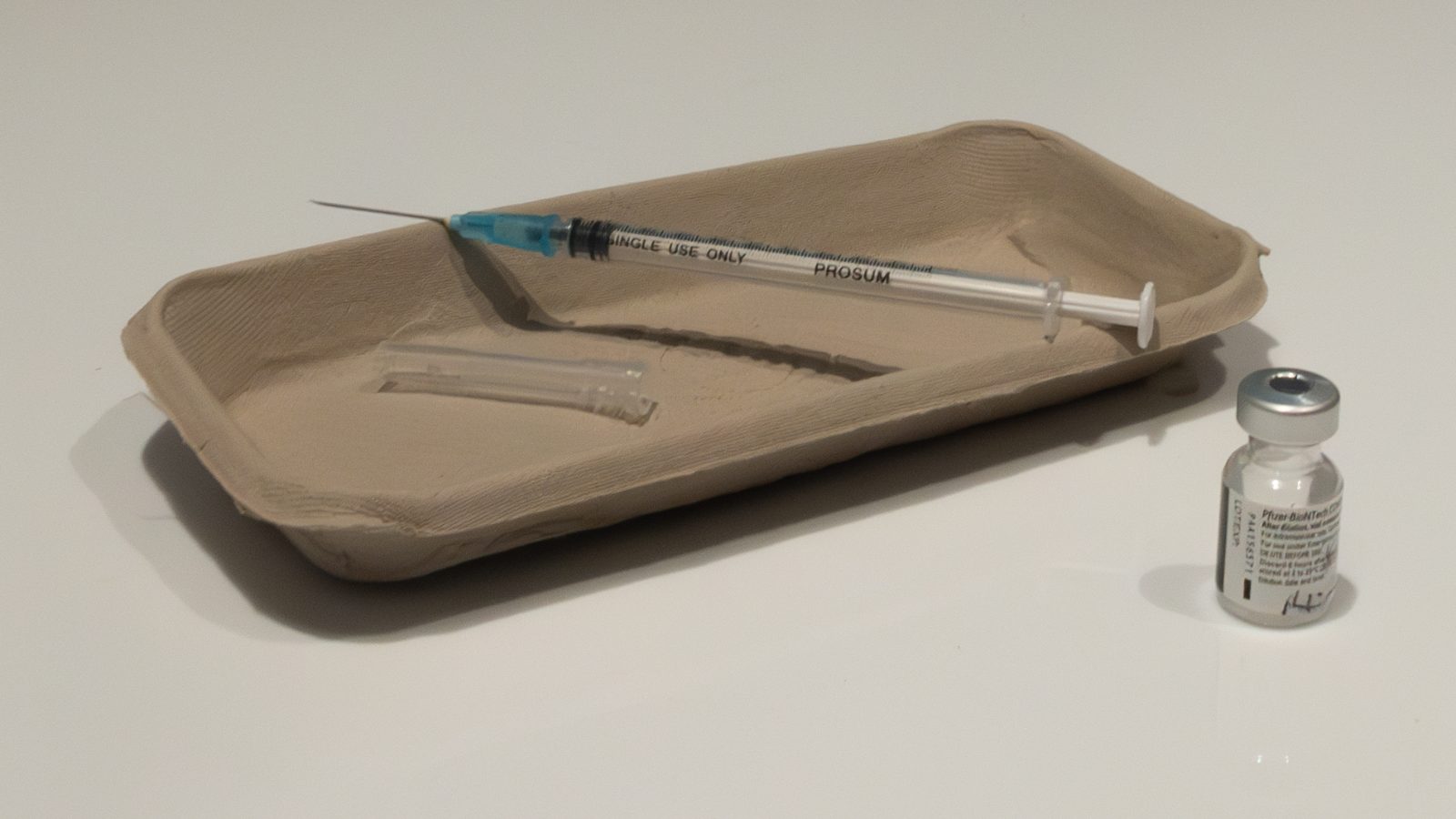
A proper appointment starts with a consultation, not a needle. The doctor should ask about your medical history, medicines, previous treatments and what bothers you, then watch your face move to map the muscles. Photos are usually taken before treatment.
The injections themselves take only a few minutes. Very fine needles are used, and most people describe a quick pinch. Many clinics offer a follow-up visit around two weeks later, when the full effect is visible and small adjustments can be made.
In the UAE, injectables are a medical procedure. They should be given by a licensed doctor working in a facility licensed by the Dubai Health Authority, the Department of Health in Abu Dhabi, or the Ministry of Health and Prevention. Home visits, parties and unlicensed salons are a red flag. Our injectables consultation checklist lists the questions worth asking before you book.
Side effects and who should avoid it
Most side effects are mild and short-lived: small bumps that settle within an hour, redness, minor bruising or a mild headache. Less often, toxin affects a nearby muscle, causing a drooping eyelid or brow, or an uneven smile. These usually improve as the product wears off.
Seek urgent medical help if
You have difficulty swallowing, speaking or breathing, double vision, or new generalised muscle weakness after treatment. These are rare but serious signs that the toxin may have spread beyond the injection area.
Botulinum toxin is generally not recommended if you:
- are pregnant or breastfeeding
- have a neuromuscular disorder such as myasthenia gravis or Lambert-Eaton syndrome
- have an infection or active skin condition at the injection site
- are allergic to any ingredient in the product
- take certain medicines that affect nerve-muscle signalling, including some antibiotics (always list everything you take)
Good Botox looks like you on a rested day, not like a different face. A cautious first dose is easier to top up than to wait out.
Aftercare basics
Doctors commonly advise staying upright for a few hours, not rubbing or massaging the treated area that day, and skipping hard exercise, saunas and facials for about 24 hours. Instructions differ slightly between practitioners, so follow the ones you are given.
Frequently asked questions
Does Botox hurt?
Most people feel brief pinches. Some clinics apply ice or numbing cream first. The whole injection part usually takes less than ten minutes.
How often can I have Botox?
Most practitioners avoid repeating treatment in the same area more often than about every three months, to lower the chance of the body developing antibodies that make it less effective.
Will my wrinkles get worse when it wears off?
No. The muscle simply returns to its usual activity. Lines come back gradually to where they would have been anyway.
What is the difference between Botox and fillers?
Botox relaxes muscles to soften movement lines. Fillers add volume or structure under the skin. They are often used together but do different jobs.
Sources: American Academy of Dermatology, U.S. Food and Drug Administration, Dubai Health Authority
Last reviewed: 2026-11-25. General information only, not medical advice. Please consult a licensed practitioner in the UAE about your own situation.