

Most side effects of cosmetic botox are mild and short-lived: small bruises, redness or tenderness at injection points, and sometimes a headache in the first days. Less commonly, the product affects a nearby muscle, causing a droopy eyelid or brow, an uneven smile or a heavy feeling in the forehead. These usually improve as the effect wears off. Serious reactions, such as difficulty swallowing or breathing, are rare but need urgent medical attention.
Knowing what is normal helps you react calmly and quickly to what is not.
Why side effects happen
Botulinum toxin works by blocking signals from nerves to muscles in the treated area. Side effects generally come from three sources:
- The injection itself: needle marks, bruising, swelling.
- The effect reaching muscles it was not meant for: for example, spreading from the forehead to the muscle that lifts the eyelid.
- Individual reactions: headache, flu-like symptoms or, rarely, allergy.
Dose, injection technique, product dilution and your anatomy all influence how likely these are.
Common, usually mild side effects
| Side effect | Typical duration | What helps |
|---|---|---|
| Redness and small bumps at injection points | Minutes to hours | Usually settles on its own |
| Bruising | Several days | Cold compress; concealer once skin is closed |
| Tenderness | A day or two | Avoid pressing on the area |
| Headache | Usually short-lived | Simple painkillers if suitable for you; ask your doctor |
| Mild swelling | A day or two | Cold compress wrapped in cloth |
Bruising is more likely if you take medicines or supplements that affect bleeding. Do not stop prescribed medicines without asking your doctor.
Less common side effects linked to placement
Effects from spread to nearby muscles
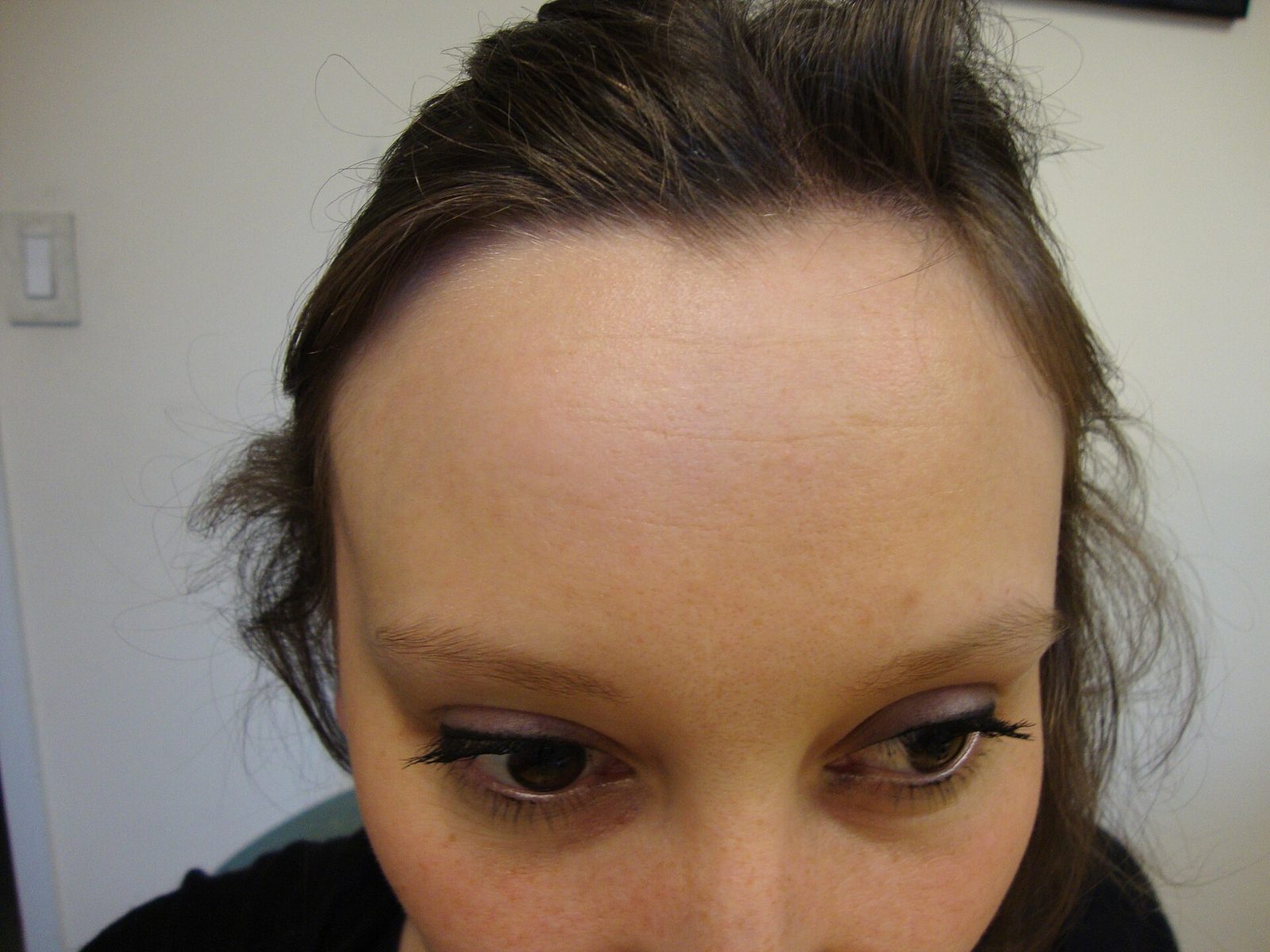
- Eyelid drooping (ptosis): the upper eyelid sits lower than usual, typically after frown-line treatment. It usually improves over weeks. A doctor may prescribe eye drops that can help temporarily.
- Brow heaviness or drop: a heavy, lowered brow after forehead treatment, more likely if the forehead is treated strongly without balancing the brow area.
- “Spock brow”: the outer brow arches upward too much; often adjusted with a small extra dose at review.
- Uneven smile or lip weakness: after treatments near the mouth, nose or jaw.
- Dry eye or tearing changes: occasionally after crow’s feet treatment.
- Chewing fatigue: after masseter treatment.
Because botox wears off gradually, these effects are temporary, but “temporary” can mean several weeks. This is why many practitioners prefer conservative dosing at a first session.
Rare and serious reactions
Seek urgent medical help if you develop
- Difficulty swallowing, speaking or breathing
- Generalised muscle weakness, especially beyond the treated area
- Double vision or severe drooping of both eyelids
- Signs of a severe allergic reaction: swelling of the face, lips or throat, hives spreading over the body, wheezing or feeling faint
These are rare with cosmetic doses, but regulators require warnings about distant spread of the toxin effect. Call emergency services or go to an emergency department.
Side effects by treatment area
The area treated shapes which unwanted effects are most likely, which is useful to know before you book.
- Frown lines (between the brows): bruising and, less often, eyelid drooping if product reaches the muscle that lifts the lid.
- Forehead lines: heaviness or a lowered brow, particularly when the forehead is treated alone or with a high dose.
- Crow’s feet: bruising, as the skin around the eyes is thin, and occasionally changes in the smile or tearing.
- Bunny lines on the nose: effects on the upper lip if product spreads downward.
- Lip flip and mouth corners: difficulty with straws, whistling or pronouncing certain sounds for a while.
- Jaw (masseter): chewing fatigue and, in some people, a change in smile if neighbouring muscles are affected.
- Neck bands: neck weakness or swallowing problems are rare but more relevant in this area, which is why it calls for an especially experienced injector.
Ask your practitioner which of these apply to your plan and what they do to reduce the risk.
Who is at higher risk
- People with neuromuscular conditions, such as myasthenia gravis or Lambert-Eaton syndrome
- People taking certain medicines, including some antibiotics (aminoglycosides) and muscle relaxants
- Anyone with a previous reaction to a botulinum toxin product
- Pregnant or breastfeeding women, in whom treatment is usually avoided
- People with infection or inflammation at the injection site
A full medical history before every treatment, including any change since your last visit, is part of safe practice.
Reducing your risk
- Choose a licensed practitioner. In the UAE, that means someone licensed by the DHA, DOH or MOHAP for aesthetic injections, working in a licensed facility. Our guide on how to choose a botox injector explains how to check.
- Make sure the product is genuine and registered in the UAE.
- Share your full medical history and medicines.
- Follow aftercare: avoid rubbing the area, intense exercise and heat such as saunas on the day, and lying flat for a few hours if advised.
- Attend the review appointment, usually around two weeks after treatment.

What to do if you are unhappy with the result
First, wait for the full effect to develop, usually by two weeks. Then contact your practitioner. Some issues, like slight asymmetry or a raised outer brow, can often be adjusted with a small additional dose. Others, like a dropped eyelid, mostly need time, sometimes with supportive treatment. Unlike HA filler, botox cannot be dissolved.
If you feel your concerns are dismissed, a second opinion from another licensed doctor is reasonable. Use our consultation checklist to prepare questions.
Long-term considerations
Repeated treatments over years are common. Some people find that treated muscles become weaker over time, which may change how much product they need. Rarely, people develop antibodies that reduce the effect of the product. Discuss intervals and doses with your practitioner rather than seeking very frequent top-ups.
FAQ
How long do botox side effects last?
Most common side effects like bruising or headache settle within days. Effects from spread, such as a droopy eyelid, can last a few weeks until the product wears off.
Can botox cause headaches?
Yes, a short-lived headache is a recognised side effect. Paradoxically, botox is also used medically to prevent chronic migraine; see our botox for migraines guide.
Is a droopy eyelid permanent?
No. It is temporary and improves as the effect wears off, though it can take several weeks.
Can I exercise after botox?
Most practitioners suggest avoiding strenuous exercise for the rest of the day. Follow your practitioner’s specific advice.
Sources: US FDA, Botox medication guide information, American Academy of Dermatology, NHS: cosmetic procedures
Last reviewed: 2026-11-25. General information only, not medical advice. Please consult a licensed practitioner in the UAE about your own situation.



