

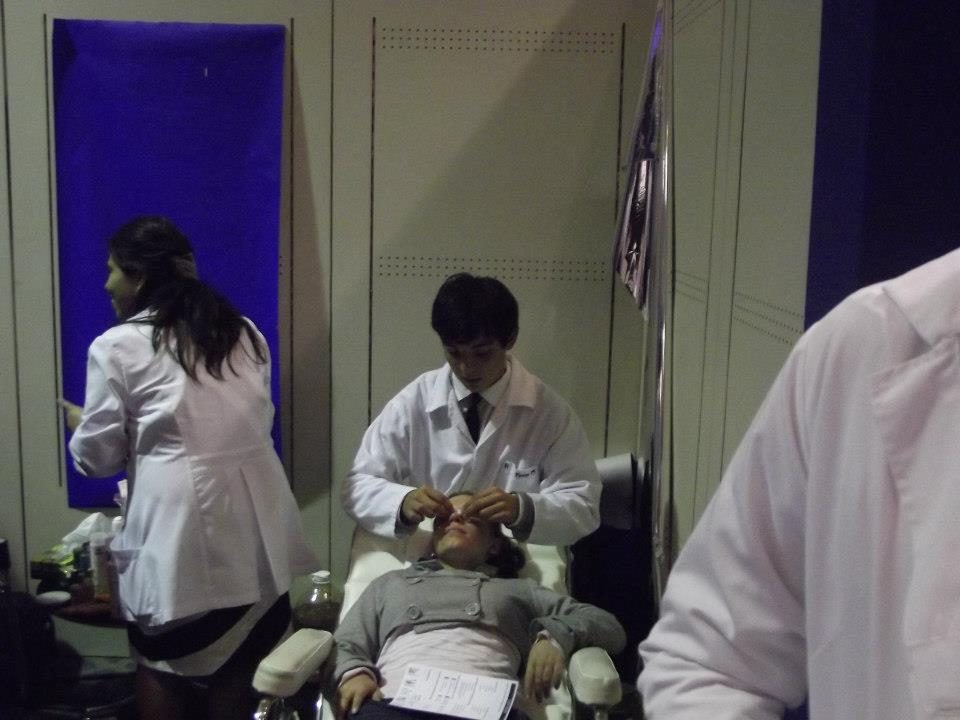
To find a good dermatologist in Dubai, start by deciding whether your concern is medical (a rash, mole, acne, hair loss) or cosmetic, then shortlist doctors whose licence is in dermatology at specialist or consultant level, check that licence with the Dubai Health Authority (DHA) or, for Dubai Healthcare City, its own regulator, and confirm insurance cover before booking. Experience with your specific condition matters more than the clinic’s marketing.
Step 1: Be clear about what you need
Dubai has a large number of skin clinics, ranging from hospital dermatology departments to small aesthetic centres. They do not all offer the same expertise.
| Your concern | What to look for |
|---|---|
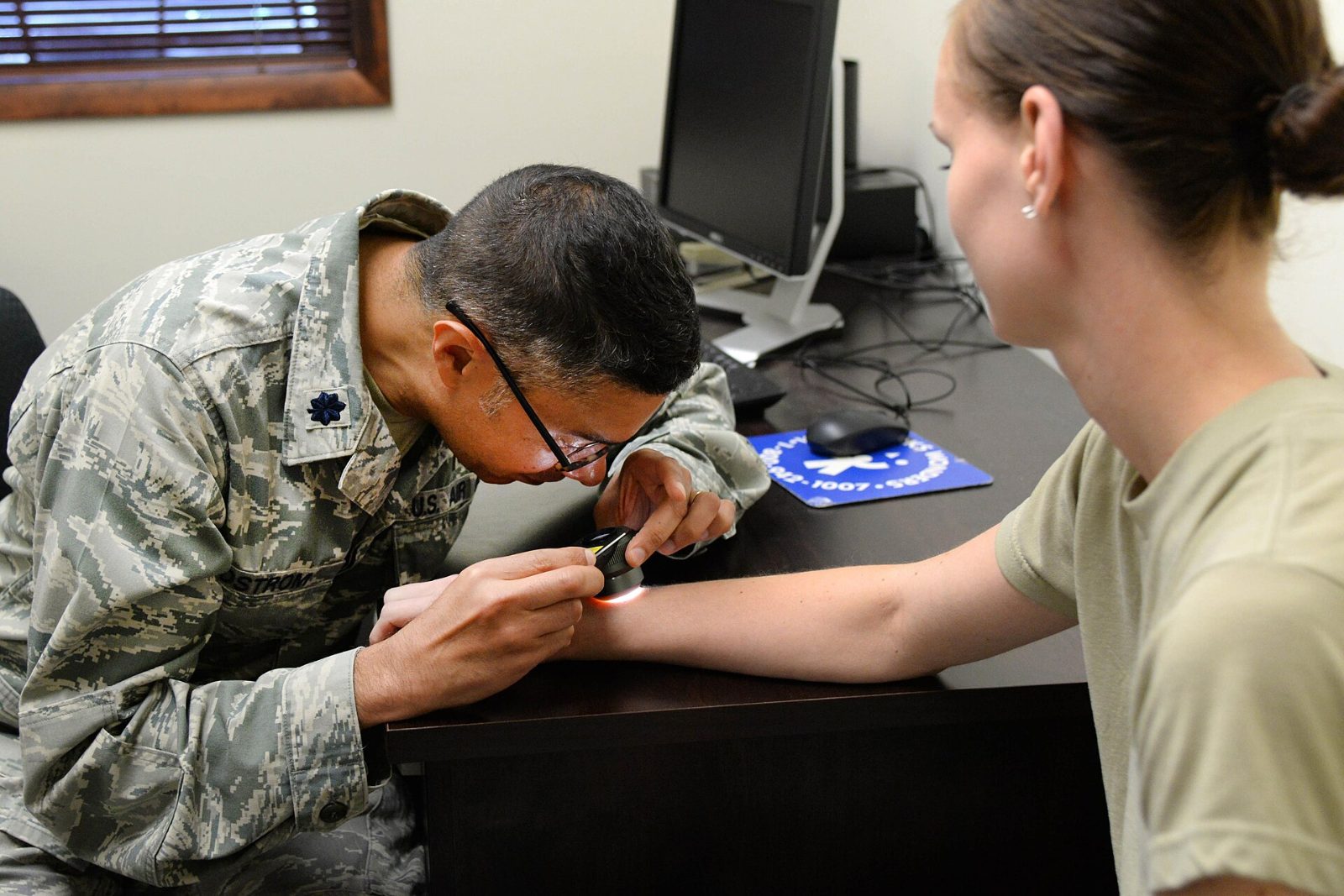
| Changing mole, non-healing spot, skin cancer worries | Dermatology specialist or consultant who performs skin checks and biopsies; access to dermoscopy |
| Eczema, psoriasis, chronic urticaria, severe acne | Medical dermatologist comfortable with prescription and systemic treatments |
| Hair or nail disorders | Dermatologist with an interest in trichology or nail disease |
| Children’s skin problems | Paediatric dermatology experience |
| Cosmetic concerns such as wrinkles, pigmentation, scars | Dermatologist or aesthetic doctor with documented training in the procedure you want |
A clinic can be excellent at injectables and lasers yet not be the best place for complex medical dermatology, and the reverse is also true.
Step 2: Check the licence
All healthcare professionals practising in Dubai must be licensed. Most are licensed by the DHA. Facilities in Dubai Healthcare City (DHCC) are regulated by the Dubai Healthcare City Authority. Licences usually show a professional category, such as:
- General practitioner: a doctor licensed for general practice, who may also have aesthetic training
- Specialist: a doctor with recognised postgraduate specialist training in a field, such as dermatology
- Consultant: a specialist with more years of post-specialisation experience
For a medical skin problem, a dermatology specialist or consultant is generally the appropriate level. For cosmetic procedures, also ask about specific training and how many of that procedure the doctor performs.
Quick verification checklist
- Doctor’s full name and licence number
- Specialty listed on the licence (dermatology)
- Category: specialist or consultant
- The facility is licensed for the services offered
- Licence is current
Step 3: Insurance and referrals
Many health insurance plans in Dubai cover medical dermatology consultations, but rules differ:
- Some plans require a referral from a general practitioner
- Some restrict you to a network of providers
- Cosmetic treatments are usually not covered
- Prescription medicines, biopsies and pathology may have separate co-payments
Call your insurer or check your policy before booking, and ask the clinic to confirm that it accepts your plan for dermatology.
Step 4: Assess the clinic
The best clinic is one where the doctor takes time to examine you, explains the diagnosis and gives you options, including the option to do nothing.
Signs of a good fit:
- A thorough history and examination, including areas you did not mention if relevant
- Clear explanation of the diagnosis and treatment plan
- Realistic expectations, including side effects and time to improvement
- No pressure to buy packages or products on the first visit
- Clear follow-up arrangements and how results will be communicated
Warning signs:
- Diagnosis without examination
- Heavy upselling of procedures or proprietary products
- Reluctance to tell you which product or medicine is used
- No clear doctor responsible for your care
Skin issues common in Dubai
The climate shapes the skin problems dermatologists see. Strong sun contributes to pigmentation, melasma and sun damage, and raises skin cancer risk, particularly in fair skin. Heat and humidity can aggravate fungal infections, heat rash and acne. Long hours in air-conditioning dry the skin and can worsen eczema. Many residents also report hair and scalp concerns they attribute to water quality, which a dermatologist can help assess.
Daily broad-spectrum sunscreen, gentle cleansing, moisturiser and shade are simple measures that help nearly everyone.

Hospital department or private clinic?
Both routes have strengths. Hospital dermatology departments often have easier access to laboratory tests, pathology, phototherapy and other specialists, which helps with complex or multi-system conditions such as severe psoriasis, autoimmune skin disease or skin cancer requiring surgery. Waiting times can be longer, and appointments may feel more structured.
Private dermatology clinics often offer quicker appointments, longer consultation slots and a wider range of cosmetic services. For straightforward problems such as acne, mild eczema or a single mole check, they can be very convenient. For anything complex, ask whether the clinic can arrange biopsies, blood tests and specialist referral smoothly, and who will follow up the results.
Whichever you choose, continuity matters. Seeing the same doctor over time makes it easier to judge whether a treatment is working and to adjust it safely.
Preparing for your appointment
- Write down when the problem started and what makes it better or worse
- List medicines, supplements and skincare products you use
- Bring photos if the problem comes and goes
- Note family history of skin conditions or skin cancer
- Avoid wearing makeup or nail polish if the face or nails will be examined
- Prepare your questions in advance
For cosmetic consultations, our injectables consultation checklist helps you cover safety, product and aftercare questions.
Do not wait for an appointment if you have
- A rapidly spreading, painful rash with fever
- Widespread blistering or skin peeling
- Swelling of the lips, tongue or face, or difficulty breathing
- A rapidly growing, bleeding lesion
Go to an emergency department or seek urgent medical care.
Frequently asked questions
How do I verify a dermatologist’s licence in Dubai?
Use the DHA’s official online services or, for clinics in Dubai Healthcare City, the DHCC authority’s register.
Do I need a referral to see a dermatologist in Dubai?
It depends on your insurance. Many clinics accept direct bookings, but some plans require a GP referral for coverage.
Is a dermatologist the same as an aesthetic doctor?
Not necessarily. A dermatologist has specialist training in skin disease. An aesthetic doctor may be a GP with additional cosmetic training.
Can I see a dermatologist for a mole check only?
Yes. Skin checks are a common reason to see a dermatologist, especially if you have many moles or a family history of skin cancer.
Sources: Dubai Health Authority, American Academy of Dermatology, British Association of Dermatologists.
Cover photo: Rorras, CC BY-SA 3.0. Last reviewed: 2026-11-25. General information only, not medical advice. Please consult a licensed practitioner in the UAE about your own situation.



