

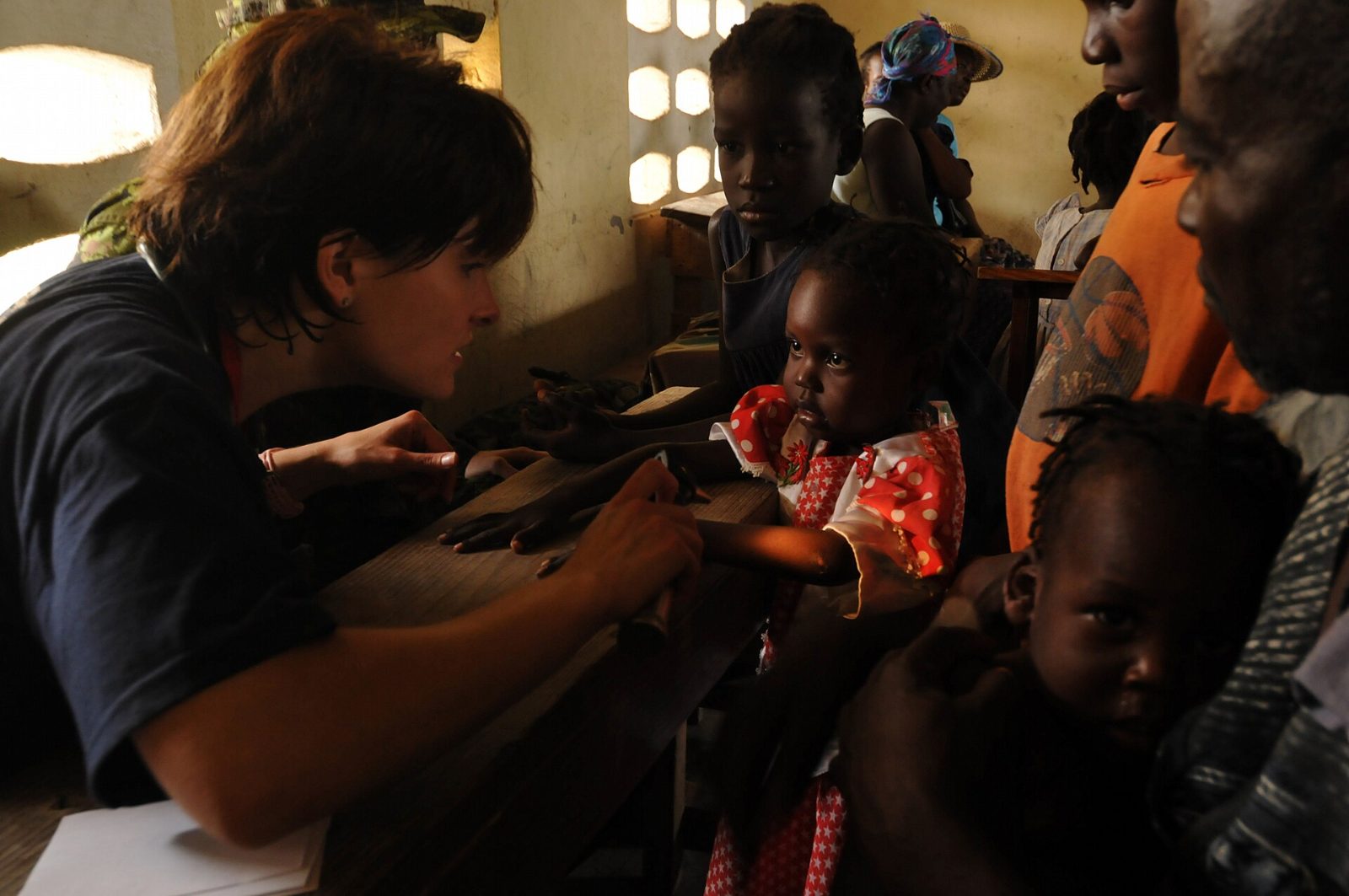
A pediatric dermatologist is a doctor who specialises in skin, hair and nail conditions in babies, children and teenagers. In Dubai, you can find them in hospital dermatology or paediatric departments and in specialist clinics; the key checks are a valid Dubai Health Authority (DHA) licence, specific training in children’s skin, and a clinic set up to make young patients comfortable.
In this guide
When a child should see a skin specialist
Many childhood rashes are mild and managed well by a paediatrician or family doctor. A referral to a dermatologist with paediatric experience makes sense when a condition is persistent, severe, unusual or affecting quality of life.
Common reasons for a referral include:
- Atopic eczema that keeps flaring despite moisturisers and prescribed creams
- Birthmarks, including infantile haemangiomas (strawberry marks) and port-wine stains
- Acne in teenagers, particularly if it is scarring or affecting confidence
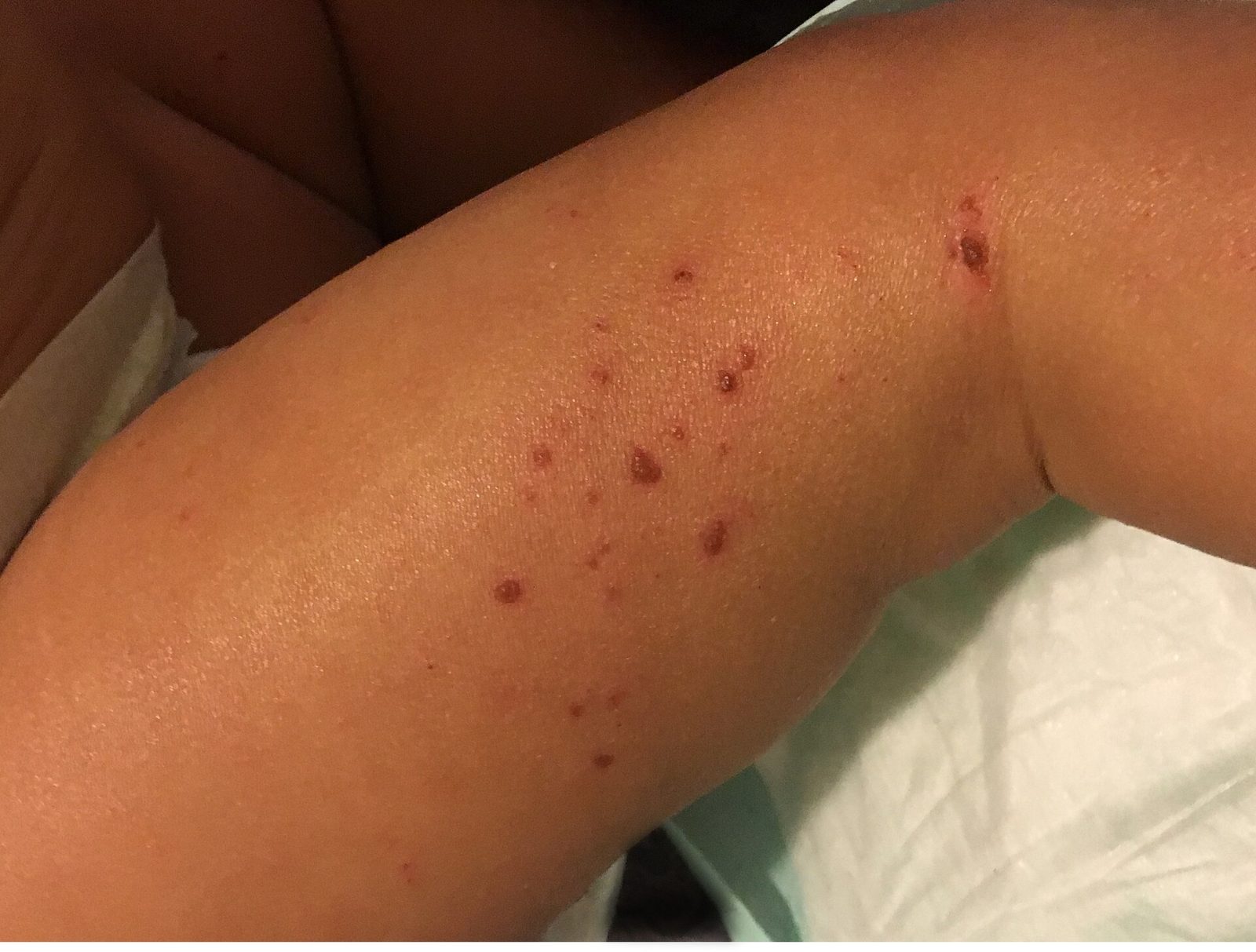
- Molluscum contagiosum and viral warts that are spreading
- Hair loss, such as alopecia areata or scalp ringworm
- Pigment changes, such as vitiligo or unusual moles
- Psoriasis, which can also appear in children
- Genetic skin conditions, such as ichthyosis or epidermolysis bullosa
Pediatric dermatologist vs paediatrician vs general dermatologist
| Doctor | Training focus | Best for |
|---|---|---|
| Paediatrician | General child health and development | First assessment, common rashes, overall health |
| General dermatologist | Skin, hair and nails across all ages | Many routine skin problems in older children and teens |
| Pediatric dermatologist | Dermatology with extra training or focus on children | Complex, severe or rare conditions; infants; birthmarks |
Formal paediatric dermatology fellowships exist in some countries, while in others a dermatologist builds expertise through practice. When booking, it is reasonable to ask how much of the doctor’s work involves children.
How to check a doctor in Dubai
Healthcare professionals in Dubai must hold a licence from the Dubai Health Authority (DHA), and facilities must be licensed too. Some hospitals in free zones such as Dubai Healthcare City are regulated by their own authority. In Abu Dhabi the regulator is the Department of Health (DOH), and in the northern emirates the Ministry of Health and Prevention (MOHAP).
Practical checks:
- Confirm the doctor’s name and licence through the relevant regulator’s website or app
- Check the licence category: specialist or consultant in dermatology
- Ask about experience with your child’s specific condition
- Confirm whether your insurance covers specialist visits and whether a referral is needed
Questions to bring to the first appointment
- What is the likely diagnosis, and what else could it be?
- Which treatments are safe for my child’s age?
- How should creams be applied, and how much?
- What side effects should I watch for?
- When should we come back, and what would make you want to see us sooner?
Skin care challenges for children in the UAE
The local climate brings particular issues. Heat and sweating can trigger heat rash (miliaria) and worsen eczema. Long hours in air-conditioned rooms dry the skin. Strong sun means children need protection from an early age, and chlorinated pools can irritate sensitive skin.
Sensible daily habits include:
- Short, lukewarm baths with a gentle, fragrance-free cleanser
- Applying moisturiser generously after bathing
- Loose, breathable cotton clothing
- Shade, hats and sun-protective clothing, with sunscreen on exposed skin for children over six months, as advised by your doctor
- Rinsing off after swimming and moisturising
For babies under six months, health authorities generally advise keeping them out of direct sun rather than relying on sunscreen.
Many children’s skin problems improve with the right daily routine, applied consistently, alongside medical treatment.
Making the appointment easier for your child
Skin appointments can feel intimidating for young children, especially if they involve undressing, close examination or a procedure. A little preparation helps everyone.
- Explain in simple words that the doctor will look at their skin and that most of the visit is talking and looking
- Bring photos of the rash at its worst, since skin can look calm on the day
- Write down products you use at home, including soaps, shampoos, sunscreens and any creams tried
- List medicines, allergies and family history of eczema, asthma, hay fever or psoriasis
- Dress the child in clothes that are easy to remove
- Bring a favourite toy or tablet for distraction during any procedure
For teenagers, give them a chance to speak to the doctor directly. Acne, hair loss and visible skin conditions can affect self-esteem, and some teens will share more when they feel they are being heard.
Treatments a pediatric dermatologist may use
Depending on the condition, a specialist may recommend:
- Moisturisers and barrier care plans
- Topical anti-inflammatory creams, chosen for strength and location
- Medicines for infection, such as antifungals or antibiotics
- Oral medicines for selected haemangiomas, under careful monitoring
- Cryotherapy or other procedures for warts in older children
- Laser treatment for some birthmarks
- Newer systemic or biologic treatments for severe eczema or psoriasis in eligible children
Treatment choices for children are individual. Never use adult prescription creams on a child without medical advice.
Seek urgent care if your child has
- A rapidly spreading rash with fever or seeming unwell
- A rash that does not fade when a glass is pressed against it
- Blistering or peeling of large areas of skin
- Swelling of the lips, face or tongue, or difficulty breathing
- Infected eczema with crusting, pus or pain
Frequently asked questions
Do I need a referral to see a pediatric dermatologist in Dubai?
It depends on your insurance and the facility. Some plans require a GP or paediatrician referral for specialist cover.
At what age can a child see a dermatologist?
At any age, including newborns, for example for birthmarks or severe rashes.
Is eczema treatment safe for young children?
Many eczema treatments are used safely in children when prescribed and applied correctly. Discuss any concerns about steroid creams with the doctor.
Can teenage acne be treated by a pediatric dermatologist?
Yes. Moderate or scarring acne often benefits from specialist care.
Sources: Dubai Health Authority, American Academy of Dermatology, British Association of Dermatologists.
Last reviewed: 2026-11-25. General information only, not medical advice. Please consult a licensed practitioner in the UAE about your own situation.



